Grape in focus
Aragonez and Tinta Roriz: two names, one grape
Aragonez is the most planted grape in Portugal. In the north it is called Tinta Roriz, in Spain Tempranillo. It gives red fruit, herbs and supple tannins, and in Portugal it almost always comes in a blend.
Aragonez at a glance
| Origin | Spain, where it is called Tempranillo |
|---|---|
| Other names | Aragonez in the south (Alentejo, Lisboa, Tejo), Tinta Roriz in the north (Douro, Dão) |
| Main regions | Alentejo, Douro and Dão, each around 15 to 17 percent of the vineyards |
| Plantings | 16,706 ha (2025): Portugal’s number one, with a tenth of all vineyards |
| In the vineyard | Easy to grow, but inclined to overcrop. At its best in low-yielding years and on old vines. |
| Taste | Cherry, strawberry and plum, herbs and tobacco, supple tannins |
| Styles | Red, usually in a blend, port and rosé |
Read more about the other Portuguese grapes in our overview of Portuguese grape varieties.
Two names, one grape
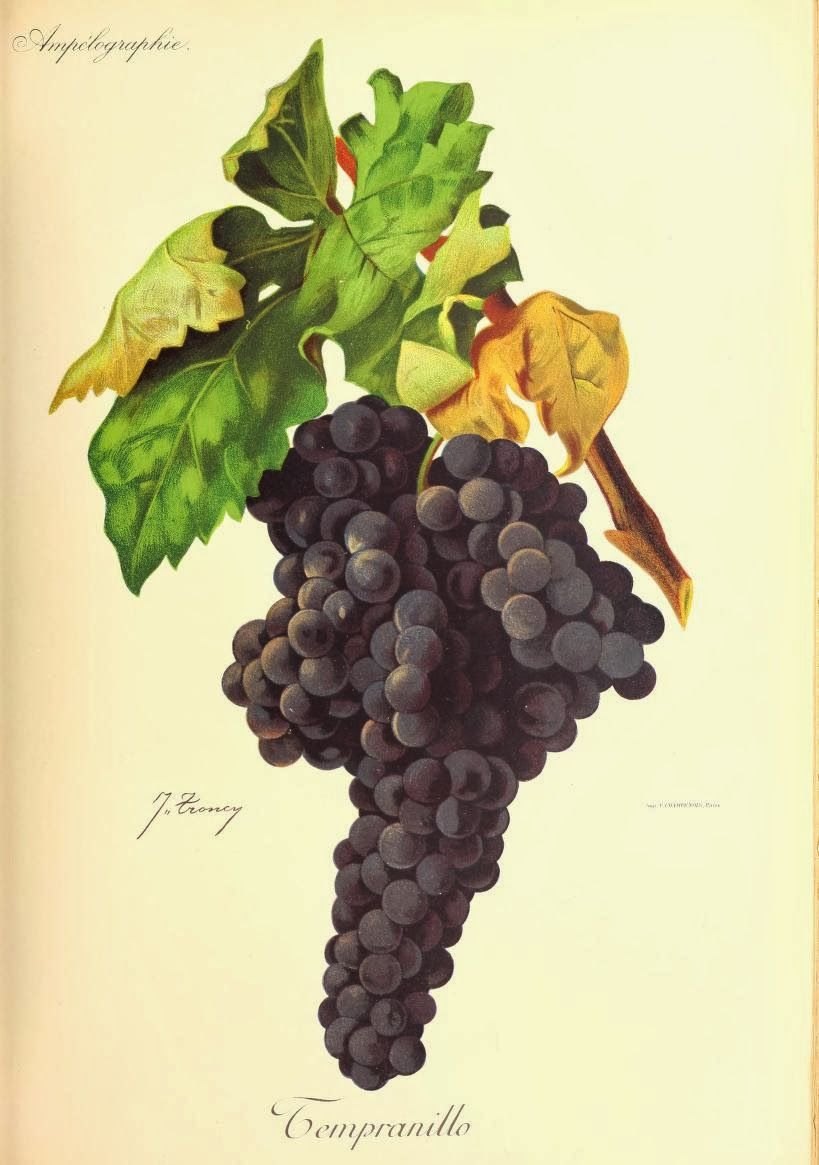
The fact that the same grape has two names in Portugal is a piece of history. In the north it is called Tinta Roriz, in the south Aragonez, probably a reference to the Spanish region of Aragón. Both names appear on labels, depending on the region. Across the border it is Tempranillo, the grape of Rioja and Ribera del Duero.
Tinta Roriz in the Douro and Dão
In the Douro, Tinta Roriz is one of the five classic grapes, alongside Touriga Nacional, Touriga Franca, Tinta Barroca and Tinto Cão. It is planted widely in the warmer Cima Corgo and Douro Superior. It brings cherry, herbs and a supple structure to the blend. In the Dão it is gaining ground, alongside Touriga Nacional, Jaen and Alfrocheiro.
Aragonez in the Alentejo
In the warm Alentejo, Aragonez has traditionally been blended with Trincadeira: Aragonez brings fruit and suppleness, Trincadeira spice and freshness. Today Alicante Bouschet is often added for colour and structure. In the old vineyards of Portalegre it grows among dozens of other varieties, as in the field blends we choose there.
Why we mostly choose blends
Aragonez can yield heavily, and then the wine quickly becomes a little flat. On old vines and with low yields it does give depth. That is why in our range you mostly find it in blends from old vineyards, such as Luis Seabra’s Indie Xisto in the Douro or the field blends of Portalegre.
What to eat with it?
Aragonez loves pork: grilled porco preto, roast pork tenderloin or chorizo. It also suits lamb stew, veal with mushrooms or a salami pizza. Fuller blends from the Alentejo can handle a hearty cut of beef.
Our wines with Aragonez and Tinta Roriz
From the Douro to the Alentejo, almost always in a blend. Each bottle shows which grapes it is made from.
Douro
Dão
Alentejo
Lisboa
Rosé
Port
Spain: Tempranillo
Frequently asked questions about Aragonez
Is Aragonez the same as Tempranillo?
Yes. Aragonez, Tinta Roriz and Tempranillo are three names for the same grape.
Does a Portuguese Tinta Roriz taste like a Rioja?
Rarely. In Portugal the grape is almost always blended with other varieties, and the soils and climate differ. You will recognise the red fruit and herbs, though.
How long can you keep it?
Young, fruity blends are best within two to four years. Blends from old vineyards can easily age five to ten years.
Plantings: IVV, castas mais utilizadas 2025 (ivv.gov.pt). Background: The Oxford Companion to Wine, via JancisRobinson.com.